
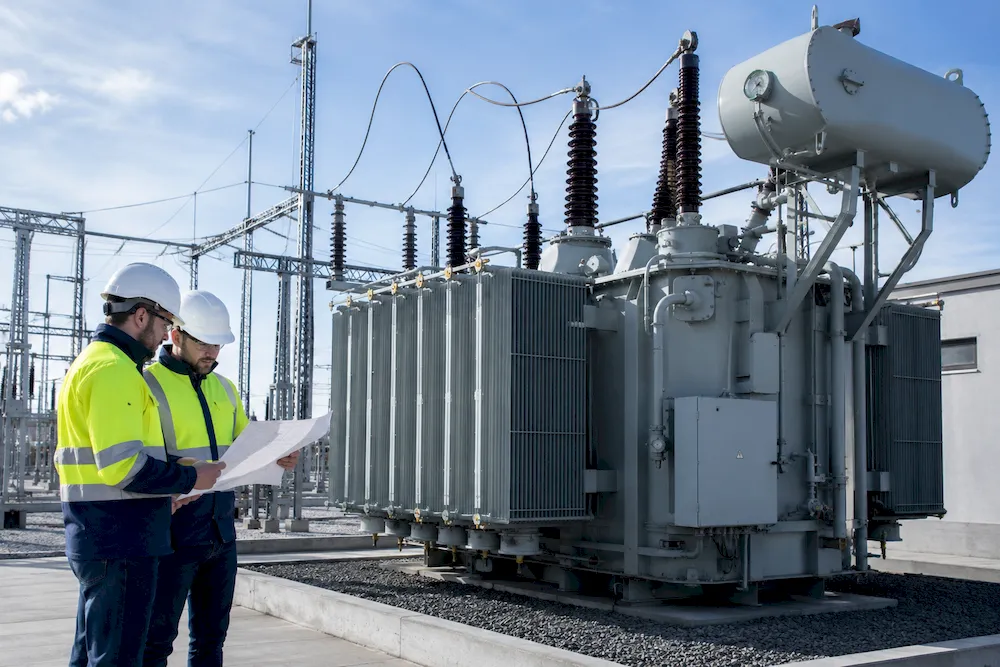
Choose power transformer equipment carefully to ensure safe, efficient and reliable operation throughout your project. A transformer must match the required capacity, voltage, installation environment, applicable standards and expected load profile.
Power transformers are widely used in substations, industrial facilities, renewable-energy projects, data centers, mining sites and large commercial buildings. Selecting the wrong unit can lead to excessive losses, inadequate cooling, equipment damage, higher operating costs or project delays.
This guide explains how to choose power transformer equipment using seven practical project checks before placing an order.
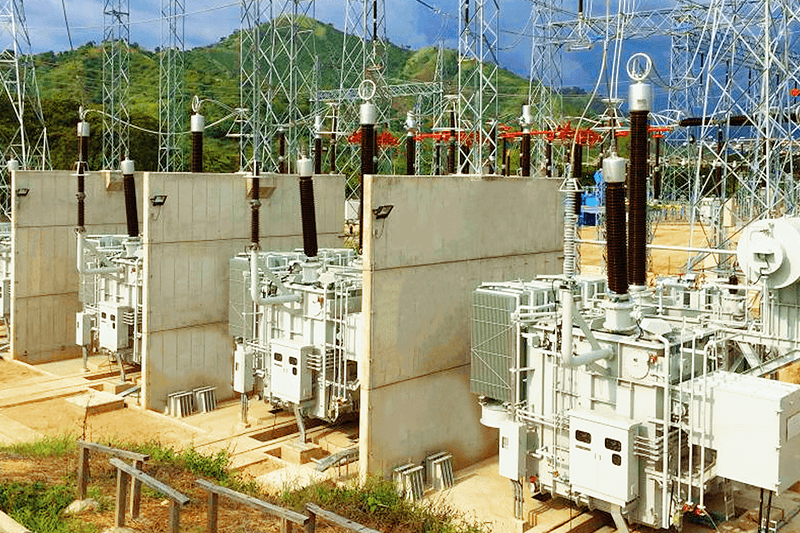
1. Choose Power Transformer Capacity for Your Project
Transformer capacity is normally measured in kVA or MVA. It indicates how much electrical load the transformer can supply under the specified operating conditions.
To select the correct capacity, calculate the total connected load and consider the actual operating profile. Some equipment does not operate at full load continuously, while other applications may have high starting currents, frequent load changes or future expansion requirements.
A transformer that is too small may overheat or experience reduced service life. A transformer that is significantly oversized may increase the initial investment and may not operate at the most efficient load level.
Project teams should also consider a reasonable future-load margin. The final rated capacity should be confirmed by a qualified electrical engineer using the project load calculation and system design.
2. Choose Power Transformer Voltage and Frequency
Input voltage and output voltage are essential parameters when you choose power transformer equipment. The manufacturer must know the exact primary voltage, secondary voltage and system frequency.
Typical voltage combinations may include:
- 35kV to 10kV
- 10kV to 400V
- 33kV to 11kV
- 132kV to 33kV
- 220kV to 110kV
Voltage standards differ between countries, utilities and project types. Always provide the actual system voltage and frequency, such as 50Hz or 60Hz, instead of only describing the project in general terms.
The transformer voltage ratio must also match the grid-connection arrangement, downstream equipment requirements and any planned future expansion.
3. Choose Power Transformer Type: Oil-Immersed or Dry-Type
Different transformer types are suited to different applications. The main choice is often between an oil-immersed transformer and a dry-type transformer.
Oil-Immersed Transformers
Oil-immersed transformers use insulating oil for cooling and electrical insulation. They are widely used in substations, utility networks, industrial facilities, renewable-energy projects and outdoor installations.
- Strong cooling performance
- High-capacity options
- Suitable for outdoor operation
- Competitive cost for many large-capacity projects
- Reliable long-term performance when correctly maintained
However, project teams must consider oil-leakage prevention, fire safety, environmental measures and regular oil inspection requirements.
Dry-Type Transformers
Dry-type transformers use air and solid insulation materials instead of transformer oil. They are often installed in buildings, factories, shopping centers, hospitals, tunnels, data centers and other locations with strict fire-safety requirements.
- No insulating oil
- Lower fire risk in many indoor applications
- Suitable for installation near electrical loads
- Lower oil-related maintenance requirements
- Cleaner operation for indoor environments
Dry-type transformers can have a higher initial cost for larger ratings and require suitable ventilation. Review our dry-type transformer solutions for indoor and fire-sensitive applications.
4. Choose Power Transformer Design for the Installation Environment
The installation environment has a major effect on transformer design. Before ordering, confirm whether the transformer will be installed indoors or outdoors and provide site-condition information to the manufacturer.
- Maximum and minimum ambient temperature
- Installation altitude
- Humidity, dust and pollution level
- Rain, snow, ice and wind exposure
- Salt air or corrosive gases
- Seismic conditions
- Available installation space and lifting access
- Noise limits and local environmental rules
High altitude can affect cooling and insulation performance. Extremely hot conditions may require a special cooling design. Coastal, desert or chemical environments may require enhanced enclosure protection and anti-corrosion treatment.
For outdoor equipment, the tank, radiators, bushings, control cabinet and protection level should be selected according to actual local conditions.
5. Choose Power Transformer Technical Parameters
Capacity and voltage are only the beginning. When you choose power transformer equipment, several other technical parameters must be confirmed before the design is approved.
Vector Group
The vector group describes the winding connection and phase relationship. Common examples include Dyn11 and Yyn0. The correct vector group depends on the electrical system, grounding arrangement and connected equipment.
Impedance Voltage
Transformer impedance affects short-circuit current and voltage drop. If several transformers will operate in parallel, their impedance values must be compatible to ensure proper load sharing.
Cooling Method
Common cooling methods include natural oil and air cooling, forced-air cooling and other methods used for larger power transformers. The selected cooling system must match the capacity, load profile, ambient temperature and installation environment.
Tap Changer
A tap changer adjusts transformer voltage when the incoming supply voltage changes. The two main options are:
- Off-circuit tap changer
- On-load tap changer
An off-circuit tap changer can be adjusted only after the transformer is isolated from the power supply. An on-load tap changer can regulate voltage while the transformer remains energized. For more details, read our off-circuit tap changer guide.
6. Confirm Standards, Testing and Documentation
Before placing an order, confirm which standards your project must follow. International projects may reference IEC, ANSI, IEEE, GB or utility-specific technical requirements.
Do not assume that every transformer automatically meets every certification or standard. The required technical standard, test scope and documentation must be clearly listed in the inquiry, technical specification and purchase contract.
Routine factory tests may include:
- Winding-resistance measurement
- Voltage-ratio and polarity testing
- Insulation-resistance testing
- No-load-loss testing
- Load-loss testing
- Impedance-voltage testing
- Applied-voltage testing
- Induced-voltage testing
- Oil tests for oil-immersed transformers
- Temperature-rise testing when required
For high-voltage projects, additional insulation tests may be required. Learn more about the switching impulse test for power transformers.
For general information about international electrotechnical standards, visit the International Electrotechnical Commission.
7. Choose Power Transformer Supplier Based on Total Project Value
When you choose power transformer equipment, the lowest price should not be the only decision factor. A transformer is a long-term investment, and poor technical selection can increase maintenance costs, energy losses and operational risk.
Before selecting a supplier, review the following areas:
- Transformer manufacturing experience
- Engineering and design capability
- Available voltage and capacity range
- Factory equipment and testing facilities
- Quality-management procedures
- Export and international-project experience
- Technical response speed
- Factory-test documentation
- Delivery support and after-sales service
A reliable manufacturer should review your project information before proposing a final transformer solution. Clear communication at the beginning helps prevent technical changes, cost increases and delivery delays later in the project.
Prepare Complete Information for a Quotation
To receive an accurate transformer proposal, send the manufacturer as much technical information as possible. Your inquiry should normally include:
- Transformer type
- Rated capacity
- Primary and secondary voltage
- Frequency and number of phases
- Vector group and impedance
- Tap range and tap-changer requirements
- Cooling method
- Installation environment
- Required standards and testing scope
- Accessories and monitoring requirements
- Quantity and destination country or port
You can also provide technical specifications, single-line diagrams, drawings, load data or tender documents. This information helps the engineering team recommend a transformer that matches the actual project requirements.
Conclusion
To choose power transformer equipment correctly, confirm capacity, voltage, transformer type, installation environment, technical parameters, standards, testing requirements and supplier capability before placing an order.
The right transformer solution will help provide stable voltage conversion, efficient operation and long-term reliability for your industrial, utility or renewable-energy project. Browse our full transformer product range to explore available solutions.
 English
  Spanish
  Arabic
  French