
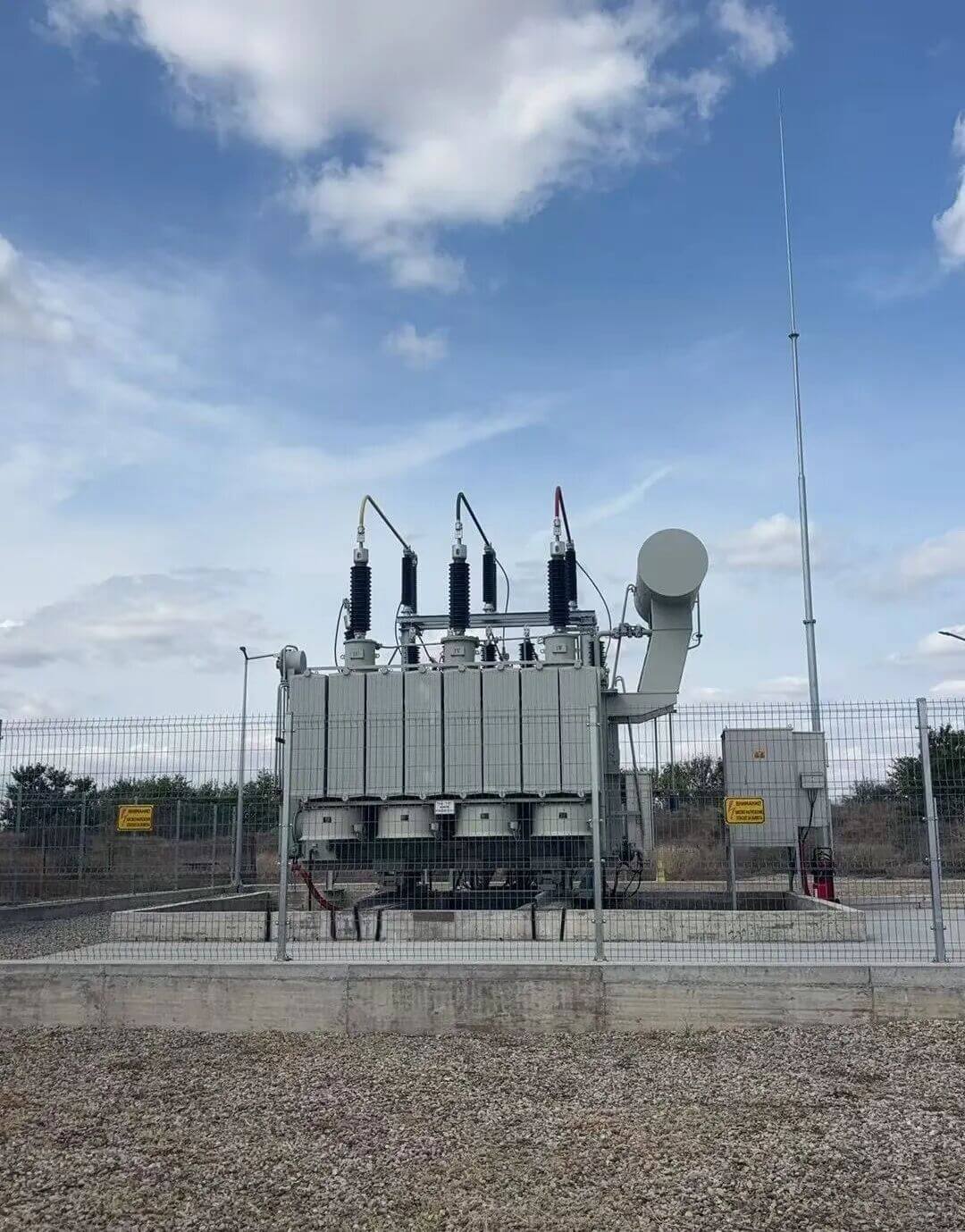
An off-circuit tap changer is used to adjust transformer voltage when the transformer is completely isolated from the power supply. It is commonly used on 10kV distribution transformers to compensate for grid-voltage deviations and keep the low-voltage output within an acceptable range.
This guide explains how an off-circuit tap changer works, how to select the correct tap position, and the critical safety procedures that must be followed before adjustment. All work must be performed by qualified electrical personnel in accordance with the transformer nameplate, approved drawings, local regulations and the manufacturer’s instructions.
1. How an Off-Circuit Tap Changer Regulates Transformer Voltage
Voltage at different points in a power-distribution network is not always identical. Long transmission distances, changing loads and line losses can cause the actual incoming high voltage to rise above or fall below its nominal value.
If a transformer had a fixed winding ratio only, these variations could produce an excessively high or low low-voltage output. High output voltage may damage connected electrical equipment, while low output voltage can reduce equipment performance or prevent normal operation.
An off-circuit tap changer solves this problem by changing the effective number of turns on the transformer’s high-voltage winding. The low-voltage winding remains unchanged, but adjusting the high-voltage winding turns changes the transformation ratio and therefore corrects the low-voltage output.
Transformer Transformation Ratio
The basic voltage-regulation relationship is based on the transformer transformation ratio:
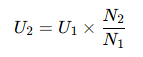
In practical terms, more effective turns on the high-voltage winding produce a higher transformation ratio and a lower low-voltage output. Fewer effective high-voltage turns produce a lower transformation ratio and a higher low-voltage output.
2. On-Load vs. Off-Circuit Tap Changer
Transformer voltage regulation generally uses one of two methods: on-load tap changing or off-circuit tap changing. The correct method depends on the transformer design and operating application.
On-Load Tap Changer
An on-load tap changer can adjust tap positions while the transformer remains energized and carries load. It is usually used in applications that require continuous operation, such as major substations, industrial facilities and special electrical equipment. On-load tap changers often provide more tap positions and can support automatic voltage regulation.
Off-Circuit Tap Changer for Distribution Transformers
An off-circuit tap changer is widely used in ordinary distribution transformers serving residential areas, commercial buildings and general industrial facilities. It has a simple structure, high reliability and low maintenance requirements.
Unlike an on-load tap changer, it must never be operated while energized or under load. Before any adjustment, the transformer must be fully disconnected, isolated, earthed and discharged. Live tap adjustment is strictly prohibited.
For product options used in distribution projects, see our dry-type transformer product range.
3. 3-Position Off-Circuit Tap Changer Settings
Many 10kV/0.4kV distribution transformers use a three-position off-circuit tap changer. A typical arrangement is shown below:
- Tap 1: 10500V — highest tap position and maximum high-voltage winding turns
- Tap 2: 10000V — rated reference tap and common factory default setting
- Tap 3: 9500V — lowest tap position and minimum high-voltage winding turns
For a normal 10kV incoming supply, Tap 2 is usually the starting position. Actual tap selection must be based on measured voltage, transformer ratings and the requirements of the connected electrical system.
Rule 1: Raise the Tap When Low-Side Voltage Is High
If the low-voltage output is above its rated value while the transformer operates on Tap 2, move the off-circuit tap changer to a higher tap position, such as Tap 1.
Moving to a higher tap increases the number of effective high-voltage winding turns. With the incoming high voltage unchanged, the transformation ratio increases and the low-voltage output is reduced toward its rated value.
Rule 2: Lower the Tap When Low-Side Voltage Is Low
If the low-voltage output is below its rated value while the transformer operates on Tap 2, move the tap position downward, such as to Tap 3.
Moving to a lower tap reduces the effective high-voltage winding turns. This lowers the transformation ratio and raises the low-voltage output toward its rated value.
Simple Tap Adjustment Logic
- Higher tap position → more high-voltage winding turns → lower low-voltage output
- Lower tap position → fewer high-voltage winding turns → higher low-voltage output
This rule is useful for field troubleshooting, but voltage measurements and the transformer nameplate must always be used as the final basis for adjustment.
4. Safe Off-Circuit Tap Changer Adjustment Procedure
Safe operation is the most important requirement when working with an off-circuit tap changer. Follow the approved site safety procedure and complete all isolation steps before touching the tap links or tap selector.
- Switch off the transformer and disconnect it from all power sources.
- Apply isolation and lockout procedures in accordance with the site safety rules.
- Confirm the absence of voltage using approved test equipment.
- Earth the relevant conductors and allow sufficient time for winding discharge.
- Check the nameplate, existing tap position and measured supply voltage before adjustment.
- Move all three-phase tap links to the same specified position.
- Confirm that each tap connection is secure, clean and correctly aligned.
- Measure winding DC resistance after adjustment to verify reliable tap-changer contact.
- Remove temporary earths only after all checks are complete and the work area is safe.
- Restore power according to the approved commissioning procedure and monitor operating voltage.
For broader installation, testing and commissioning requirements, read our dry type transformer installation and operation guide.
5. Key Safety and Maintenance Notes
- Never adjust an off-circuit tap changer while the transformer is energized or carrying load.
- Ensure all three phases use the same tap position after adjustment.
- Do not rely only on the original factory tap setting; confirm the actual voltage conditions at the installation site.
- Inspect tap connections for looseness, overheating marks, corrosion or insulation damage during scheduled maintenance.
- Record the original and adjusted tap positions, voltage readings and test results for future reference.
Transformer design, testing and operation are commonly governed by applicable standards such as the IEC transformer standards resources. The applicable local standard and the transformer manufacturer’s documentation should always take precedence for a specific project.
Conclusion
An off-circuit tap changer provides a reliable and practical way to correct voltage deviations in distribution transformers. By changing the high-voltage winding turns only after complete isolation, operators can maintain suitable low-voltage output while protecting equipment and improving system reliability.
For transformer selection and customized solutions for industrial, utility and renewable-energy projects, browse our full transformer product range.
 English
  Spanish
  Arabic
  French