
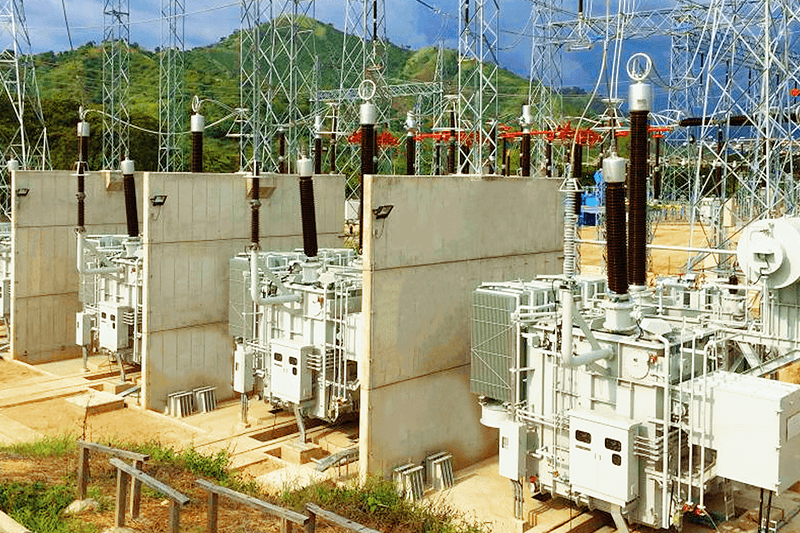
500kV transformers are critical components in extra-high-voltage power systems. They are used at major transmission and substation nodes to transform large amounts of electrical energy, connect regional grids and support reliable power delivery over long distances.
As electricity demand grows and more renewable-energy projects connect to the grid, high-capacity transmission infrastructure becomes increasingly important. This guide explains five major application scenarios for 500kV transformers and the factors that should be considered when selecting equipment for large-scale power projects.
1. 500kV Transformers for Large-Scale Energy Bases
Large energy bases often generate electricity far from the cities and industrial areas where power is consumed. These projects may include large-scale hydropower stations, wind farms, solar power plants, thermal power facilities and integrated renewable-energy bases.
In these applications, 500kV transformers raise the voltage of generated electricity so that power can be transmitted efficiently across long distances. Higher transmission voltage helps reduce current for the same power transfer, which can lower line losses and improve the overall efficiency of the network.
For renewable-energy projects, transformer design must also consider variable generation profiles, grid-connection requirements, environmental conditions and the protection scheme of the complete power system. Learn more about the role of transformers in solar and wind power projects.
2. Building the Main Framework of Regional Power Grids
Regional power grids depend on major transmission corridors to move electricity between generation areas, load centers and interconnected networks. A 500kV substation can serve as an important node within this framework by linking multiple lines and voltage levels.
These transformers support the transfer of high-capacity electricity between provinces, cities and regions. They can also improve flexibility for power dispatch, planned maintenance and emergency support during abnormal operating conditions.
When used in regional grid infrastructure, transformer selection should consider rated capacity, voltage combination, impedance, cooling method, insulation coordination, short-circuit withstand capability and site-specific requirements. The equipment must match the requirements of the wider transmission system rather than being selected only by voltage class.
3. Reliable Power Supply for Urban High-Load Areas
Major cities and industrial clusters can have concentrated electricity demand from commercial buildings, data centers, transportation systems, manufacturing facilities and residential developments. High-capacity substations near these load centers are essential for maintaining a stable and reliable supply.
500kV transformers can help strengthen the backbone of an urban power network by delivering bulk power to lower-voltage substations for further distribution. This supports improved supply reliability, load balancing and future capacity expansion.
Urban projects may have additional requirements for noise control, land use, transport access, installation space and environmental performance. Planning should therefore begin with a clear review of the local grid structure and the expected long-term demand profile.
4. Grid Reinforcement in Remote and Challenging Environments
Remote regions and challenging environments can face limitations in local power generation, weak grid connections or difficult operating conditions. Extra-high-voltage transmission projects can help deliver electricity to these regions and improve the reliability of the local network.
Typical conditions may include low ambient temperatures, high-altitude locations, coastal environments, desert regions or areas with difficult logistics. For these projects, transformer design and accessory selection must account for the actual site conditions.
- Ambient temperature and cooling performance
- Altitude and insulation coordination
- Seismic, wind or corrosion requirements
- Road, rail or sea-transport limitations
- Installation, testing and maintenance access
Reliable operation in these locations requires more than a suitable voltage rating. It also depends on appropriate engineering design, quality control, transport protection and on-site commissioning procedures.
5. Supporting Renewable Energy and Cross-Regional Transmission
The rapid development of solar, wind and energy-storage projects is increasing the need for stronger transmission infrastructure. Large renewable-energy bases are frequently located far from high-demand areas, which makes long-distance, high-capacity transmission especially important.
500kV transformers support this connection by helping integrate power generation into regional and cross-regional networks. They can be used in step-up substations, grid-connection facilities and major transmission hubs serving renewable-energy developments.
Modern electricity grids must also become more flexible as variable renewable generation increases. According to the International Energy Agency’s electricity-grid analysis, grid expansion and modernization are essential for connecting new renewable-energy capacity and maintaining secure electricity supplies.
Key Considerations When Selecting 500kV Transformer Equipment
Every high-voltage project has its own technical requirements. Before selecting transformer equipment, project owners and engineering teams should confirm the electrical, mechanical and environmental conditions of the application.
- Rated voltage, rated capacity and frequency
- Winding configuration and vector group
- Impedance voltage and system short-circuit level
- Cooling method and allowable temperature rise
- On-load or off-circuit tap-changing requirements
- Insulation level and applicable technical standards
- Transport dimensions, weight and site-installation conditions
- Testing, documentation and long-term maintenance requirements
For projects requiring other voltage classes or customized configurations, explore our full transformer product range and our 345kV power transformer solution.
Conclusion
500kV transformers play an essential role in large-scale energy transmission, regional grid interconnection, urban power supply and renewable-energy development. By selecting equipment according to actual grid conditions and project requirements, power operators can improve reliability, transmission capability and long-term system performance.
 English
  Spanish
  Arabic
  French